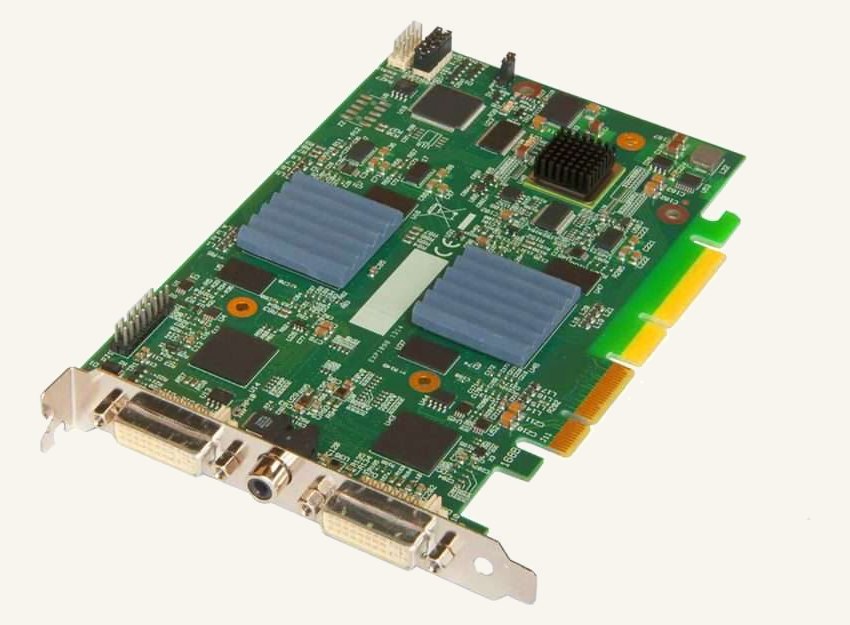
I wanted a way to capture video from old analog consoles — SNES, PlayStation, PS2, that whole era — and from PCs too, without landing on either side of a bad tradeoff: an expensive dedicated scaler, or a cheap modern capture card that only understands digital HDMI. What I actually needed was the best of both eras in one device: real support for legacy analog modes (VGA, SVGA, 240p, 480i, 480p) alongside the more modern digital ones (720p, 1080i, 1080p).
The research
Digging around, one brand kept coming up with genuinely specific, credible praise from the retro-capture community — not vague “good reviews,” but dedicated coverage: Datapath.
- RetroRGB’s review is built specifically around the VisionAV-HD’s 480i capture quality — exactly the kind of legacy mode most modern capture hardware botches. RetroRGB also maintains a whole Datapath tag and a direct-capture setup guide, the kind of ongoing dedicated coverage that signals a card the community has actually standardized on.
- Nerdly Pleasures independently lands on the same Datapath card family as the serious answer for analog retro capture.
One honest caveat surfaced by that same research: these cards were originally built for video walls and commercial AV installs, not retro gaming. That means direct 240p capture has real quirks — it needs precise phase configuration to get clean results, so it’s not quite plug-and-play for that specific mode, even though the output is excellent once it’s set up.
What I bought
Two Datapath VisionAV-HD cards. Each one actually has three independent, simultaneous capture inputs, not two as I first assumed: two HD-capable DVI-I inputs (each handling HDMI, DVI, RGB, or analog Component/YPbPr directly over the DVI-I connector) plus a third, separate composite video input for standard-def sources. Confirmed spec: resolutions up to 4096×4096, and up to 1080p60 on the HD inputs.
The two DVI-I inputs are the flexible ones — a simple adapter gets VGA or component video into them, since DVI-I already carries the analog RGB/component signal directly, just via a different connector shape. These are the actual adapters I use — component, VGA, and HDMI, all plugging into the same DVI-I port:
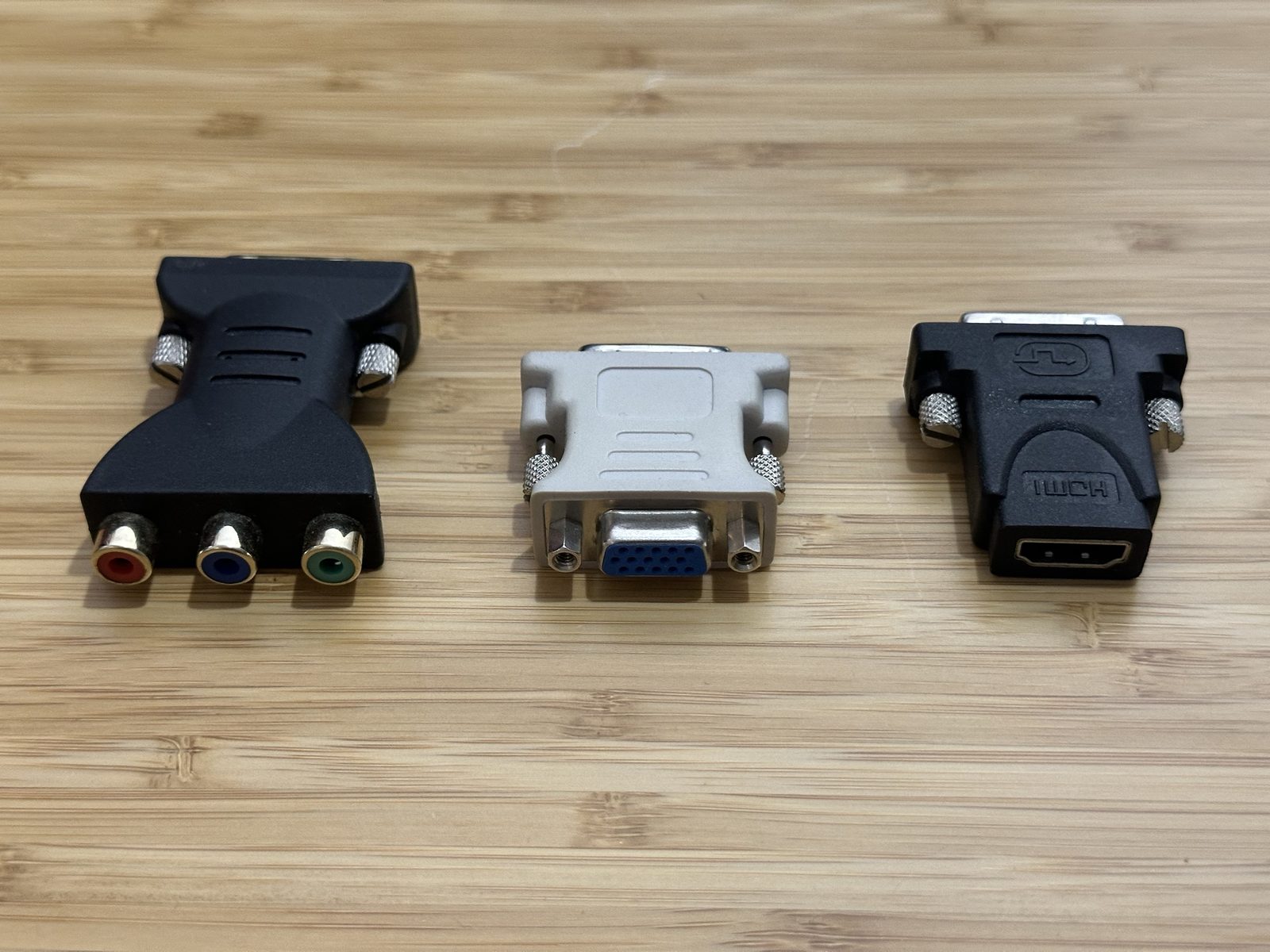
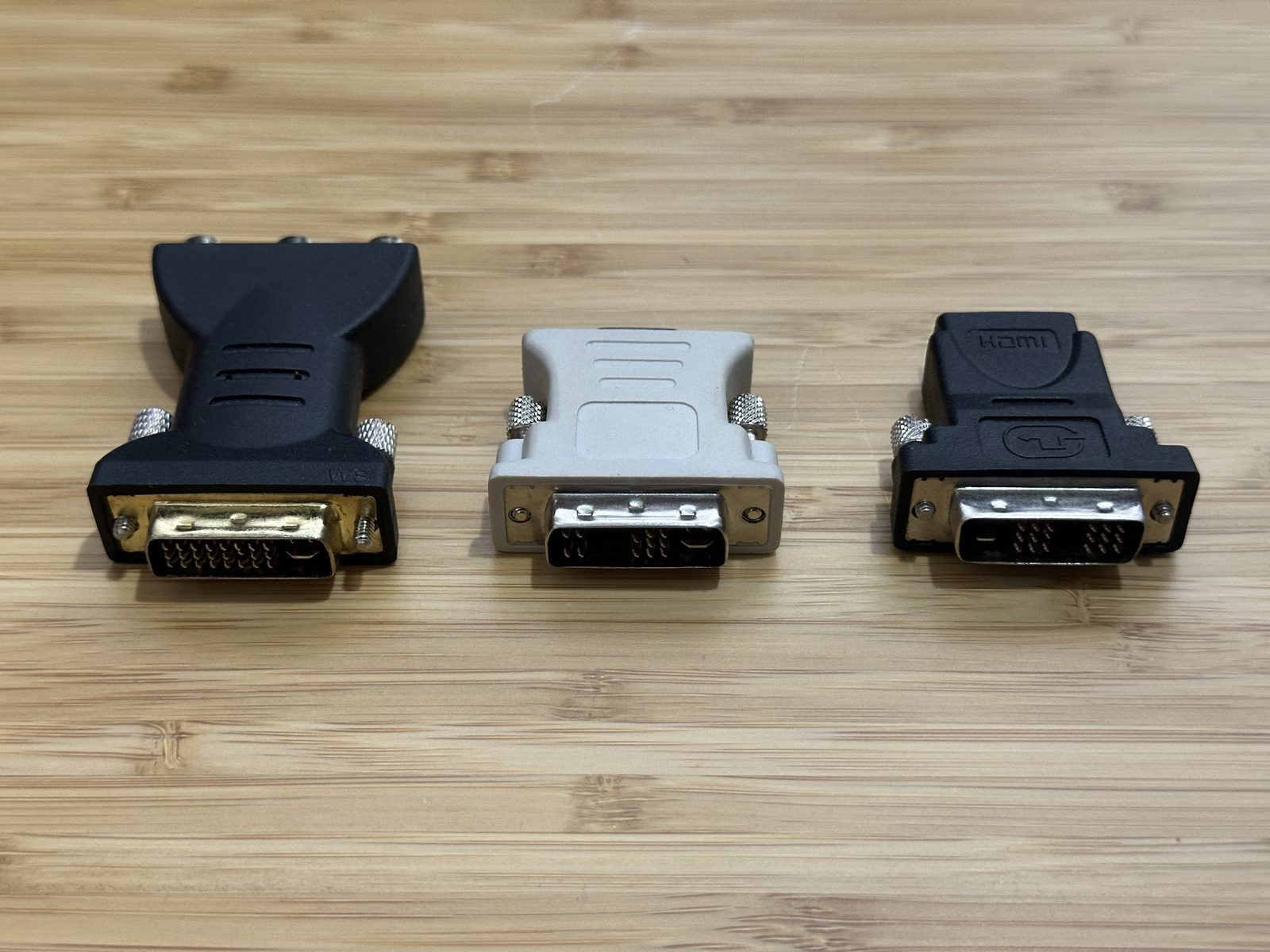
With two cards, that’s up to four independent HD inputs total — which is exactly what made capturing three PlayStation 2s into one combined feed possible.
A nice bit of bargain-hunting along the way: I found these cheap specifically because they were missing their PCIe bracket — the metal I/O plate that normally holds the connectors in place at the back of the case. No bracket makes a card look incomplete to most buyers, which knocked the price down, but it’s a purely cosmetic mounting problem, not a functional one. Replacement brackets were easy and cheap to source elsewhere, and I screwed them on myself — a genuinely good deal as a result.
The verdict
They work amazingly well, and the bundled software is solid. Used successfully for the Gran Turismo 3 multi-screen capture, combining three PS2 feeds into one seamless ultra-widescreen picture.
Two honest caveats worth flagging: per RetroRGB’s testing, the audio capture is fine for streaming or webcam-style use but not quite archival grade — worth capturing audio separately if that level of quality matters for a specific project. And as mentioned above, the video-wall heritage means 240p specifically needs careful phase tuning rather than working out of the box.
More details on the card itself — full spec table, the same caveats, and more — are on the hardware page.
